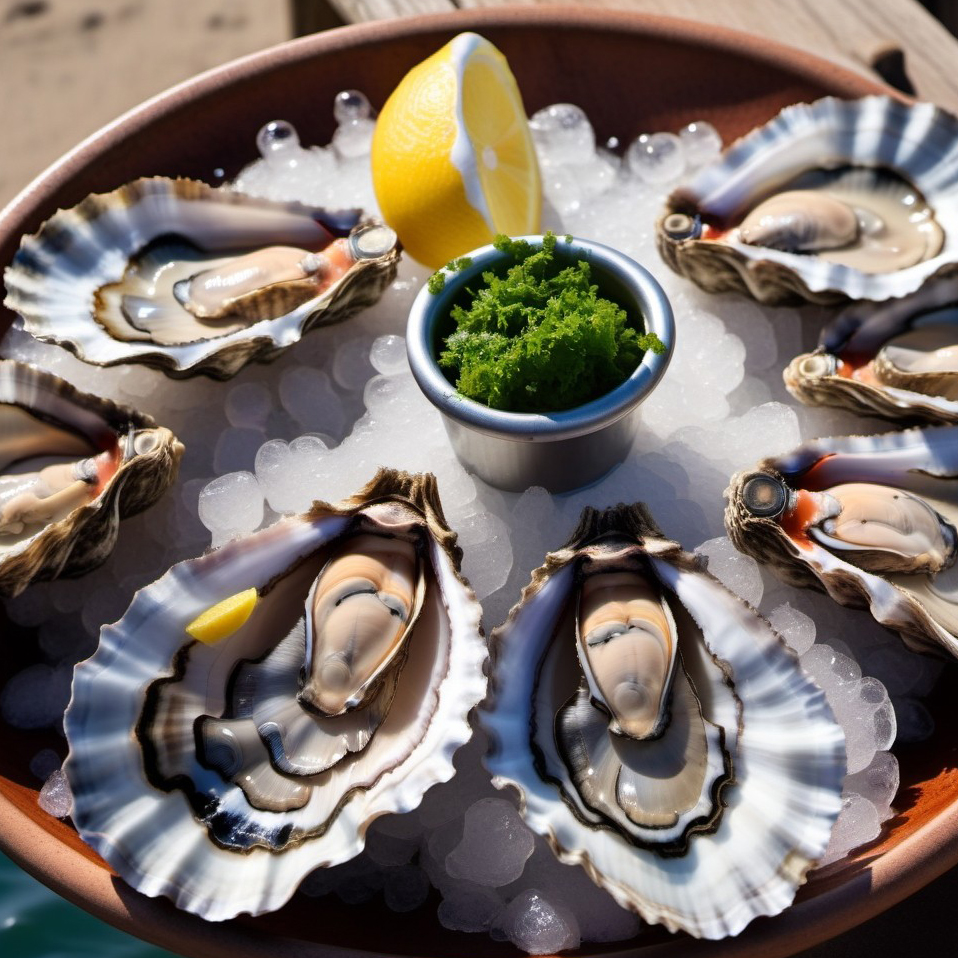
Oyster Beds Arcachon: Exploring the Rich History and Culture of This French Coastal Town
The picturesque coastal town of Arcachon, located in the southwestern region of France, is a popular destination for tourists seeking sun, sea, and sand. But beyond its beautiful beaches and charming atmosphere, Arcachon is also known for its oyster beds, which have been an important part of the town’s identity for centuries.
In this article, we will dive into the rich history and culture of the oyster beds in Arcachon, exploring their significance and impact on the local community. From the traditional methods of cultivation to the modernization of the industry, we will discover the fascinating story behind this iconic aspect of Arcachon’s identity.
What Are Oyster Beds?
Oyster beds, also referred to as oyster farms, are areas in the sea where oysters are grown and cultivated for consumption. These areas are carefully chosen for their optimal conditions, including the quality of water and the availability of nutrients, to ensure the growth and development of the oysters.
Oysters are a type of mollusk, with a hard outer shell, and are prized for their delicate and briny taste. They are considered a delicacy in many parts of the world and are especially popular in coastal regions like Arcachon.
A Brief History of Oyster Beds in Arcachon
The cultivation of oysters in Arcachon dates back to the 18th century, although it wasn’t until the 19th century that it became a prominent part of the town’s economy. At the time, the oyster beds were owned and operated by local fishermen and their families, who would sell their catch to nearby restaurants and markets.
However, in the late 1800s, Arcachon’s oyster industry experienced a major setback when a disease called “oyster blight” devastated the oyster population. This led to a decline in production and a decrease in demand for Arcachon’s oysters.
Despite this setback, the locals were determined to revive the industry, and in the early 20th century, they introduced new cultivation techniques and oyster species to the area. As a result, the industry began to thrive once again, and by the 1950s, Arcachon’s oyster beds were producing over 5,000 tonnes of oysters annually.
The Traditional Methods of Oyster Cultivation
For centuries, the cultivation of oysters in Arcachon was done using traditional methods, which involved collecting oyster larvae, known as “spat,” from the sea and placing them in shallow beds for growth. As the oysters developed, they were moved to deeper beds, where they could grow to maturity.
This method of cultivation required extensive labor and attention to detail, as the oysters needed to be regularly checked and cared for. To protect them from natural predators, the oysters were sometimes kept in specially designed cages or nets until they were large enough to be released into the open waters.
The traditional methods of oyster cultivation, while time-consuming and labor-intensive, were essential in maintaining the quality and taste of Arcachon’s oysters. They also played a significant role in the culture and heritage of the local community, as the skills and techniques were passed down from generation to generation.
Modernization and the Oyster Industry in Arcachon
In recent years, there has been a push towards modernizing the oyster industry in Arcachon, with an emphasis on sustainability and efficiency. One significant change has been the use of new technology, such as automated oyster grading machines, which can quickly and accurately sort oysters by size.
Another development in the industry has been the introduction of floating oyster beds, which allow for oysters to be grown in deeper waters. This method helps to protect the oysters from predators and also allows for a more efficient use of space.
Despite these advancements, the traditional methods of oyster cultivation are still widely used in Arcachon, as many locals believe that it is crucial to maintaining the quality and taste of the oysters.
Oyster Festivals and the Culture of Oyster Consumption
Oysters are not just a source of income for the locals in Arcachon; they also hold significant cultural and social importance. Oyster festivals, held throughout the year, are a popular tradition in Arcachon, where locals and tourists alike can enjoy freshly shucked oysters.
The most famous of these festivals is the Fête de l’Oyster (Oyster Festival), which takes place annually in August. This festival celebrates the start of the oyster season and includes live music, street performances, and, of course, plenty of oysters for all to enjoy.
In addition to festivals, oyster consumption is also deeply ingrained in the culture of Arcachon. It is a common tradition to have an aperitif, or pre-meal drink, of oysters and white wine before a seafood dinner. This practice is known as “la dégustation d’huîtres,” or oyster tasting, and is a must-do for visitors to the town.
The Economic Significance of Oyster Beds in Arcachon
The oyster industry in Arcachon is not just a cultural tradition; it also plays a significant role in the local economy. Oyster farming provides employment for many people in the town, both directly and indirectly. From oyster farmers and shuckers to restaurant and market workers, the industry creates job opportunities for the community.
Moreover, the production of oysters brings in a significant amount of revenue for Arcachon. The town’s oyster beds produce around 10,000 tonnes of oysters annually, with a value of approximately 30 million euros. This economic contribution has helped to sustain the town’s economy and maintain its status as a popular tourist destination.
Conclusion
The oyster beds of Arcachon are not just a source of tasty delicacies, but they also hold a significant place in the town’s culture, heritage, and economy. From its humble beginnings to its modernization, the oyster industry in Arcachon has played an essential role in shaping the town and its people.
Visiting Arcachon and experiencing the oyster beds for yourself is a must for any seafood lover or cultural enthusiast. Whether it’s enjoying a plate of freshly shucked oysters at a local restaurant or attending one of the town’s many oyster festivals, you will undoubtedly be captivated by the rich history and culture that surrounds this iconic French coastal town.